
| Extension | Size | Supported version | Supported renderers | Format description?Compatibility |
|---|---|---|---|---|
| .max | 476.50 kB | 3ds MAX 2016 or above |
|
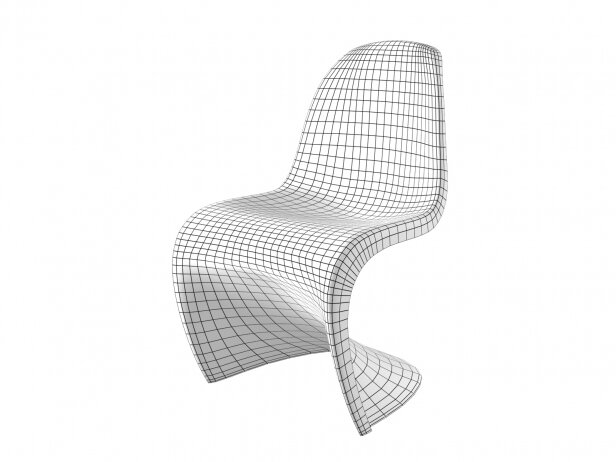
All Design Connected 3d models are originally created in 3ds Max 2016 and V-Ray renderer. We use in-house developed automation tools to convert our models to support other renderers like Mental Ray, Built-in Scanline, Corona and Maxwell, with MXM and MXS files included. All Design Connected 3d models are originally created in 3ds Max 2016 and V-Ray renderer. We use in-house developed automation tools to convert our models to support other renderers like Mental Ray, Built-in Scanline, Corona and Maxwell, with MXM and MXS files included. Files units are centimeters and all models are accurately scaled to represent real-life object's dimensions. The model comes as a single editable mesh or poly object (or as group for rigged models or where displace modifier has been used) properly named and positioned in the center of coordinate system. No lights, cameras and render/scene setup are included unless otherwise stated in the particular model’s description. |
| Extension | Size | Supported version | Supported renderers | Format description?Compatibility |
|---|---|---|---|---|
| .c4d | 687.93 kB | Cinema 4D R16 or above |
|
All Design Connected 3d models are originally created in 3ds Max and for V-Ray renderer. Our in-house team of 3d artists handle all further conversions and adaptations to deliver best possible visual and technical quality of the Cinema 4D content we offer. All Design Connected 3d models are originally created in 3ds Max and for V-Ray renderer. Our in-house team of 3d artists handle all further conversions and adaptations to deliver best possible visual and technical quality of the Cinema 4D content we offer. Files units are centimeters and all models are accurately scaled to represent real-life object's dimensions. The model comes as a single editable object (or as a group when necessary) properly named and positioned in the center of coordinate system. No lights, cameras and render/scene setup are included unless otherwise stated in the particular model's description. |
| Extension | Size | Supported version | Supported renderers | Format description?Compatibility |
|---|---|---|---|---|
| .skp | 400.71 kB | SketchUp 8 or above |
|
SketchUp file format with basic materials and textures. |
| Extension | Size | Supported version | Supported renderers | Format description?Compatibility |
|---|---|---|---|---|
| .fbx and .obj | 603.07 kB |
|
OBJ an FBX files with diffuse colors and textures.
|
|
| Extension | Size | Supported version | Supported renderers | Format description?Compatibility |
|---|---|---|---|---|
| .aof | 127.86 kB |
|
Abvent Artlantis file format with materials, proper shaders and textures.
|
|
| Extension | Size | Supported version | Supported renderers | Format description?Compatibility |
|---|---|---|---|---|
| .3dm | 111.14 kB |
|
Rhinoceros files with materials and textures
|
|
| Extension | Size | Supported version | Supported renderers | Format description?Compatibility |
|---|---|---|---|---|
| .dae | 116.88 kB |
|
Collada files with materials and textures
|
|
One purchase gives access to all file formats available. By default only .max file format is selected for download.
During the checkout process and before downloading a model you will see a list of available file formats to make your selection.
You can download at no cost all additional file formats needed at any time from "Downloads" page in your Account.
Product description
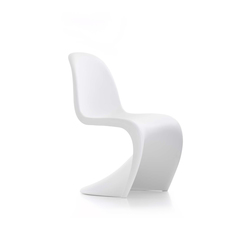
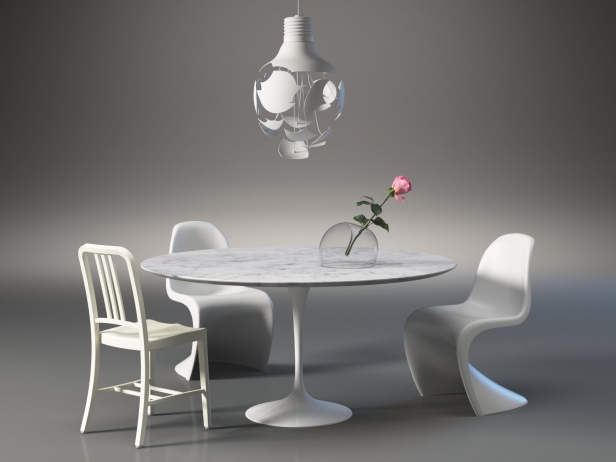
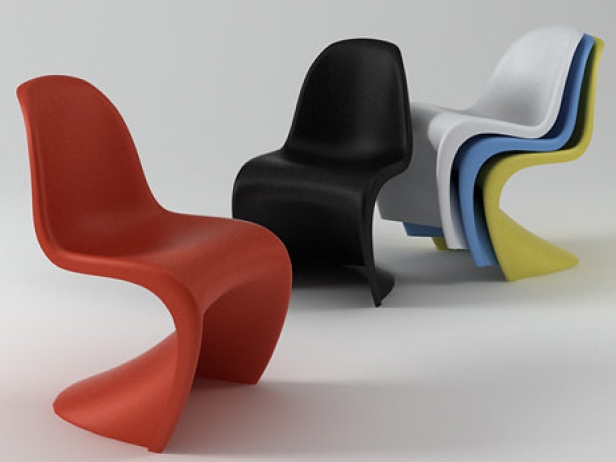
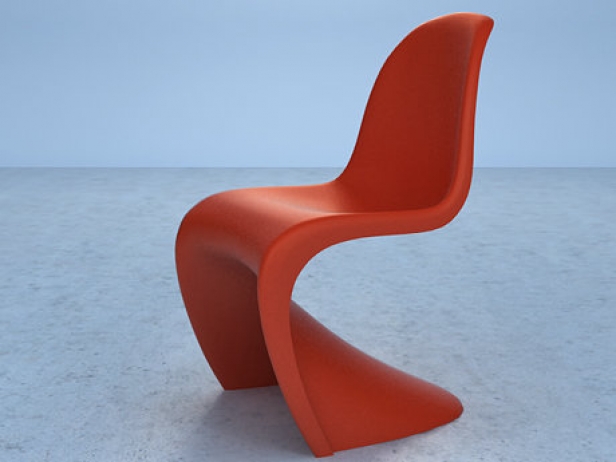
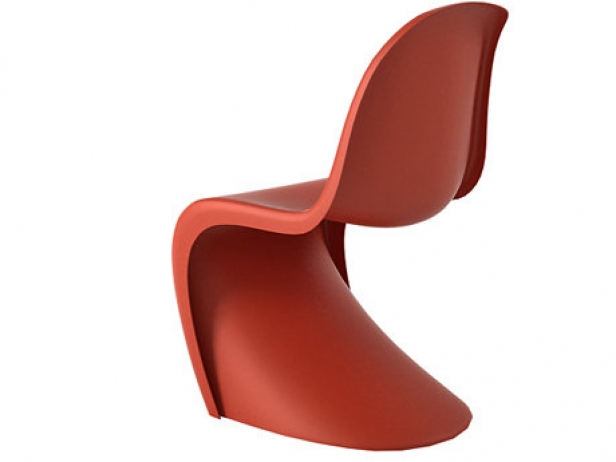
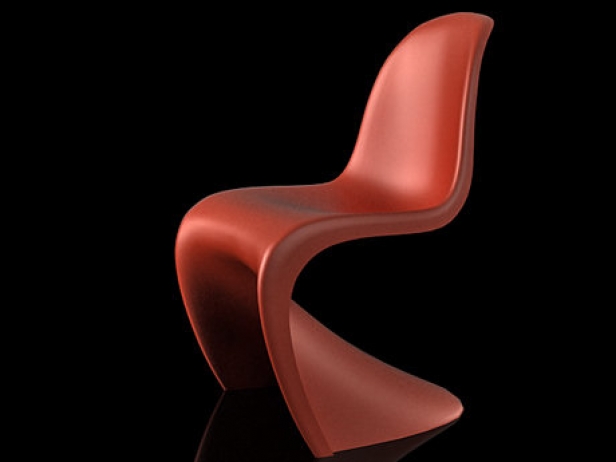
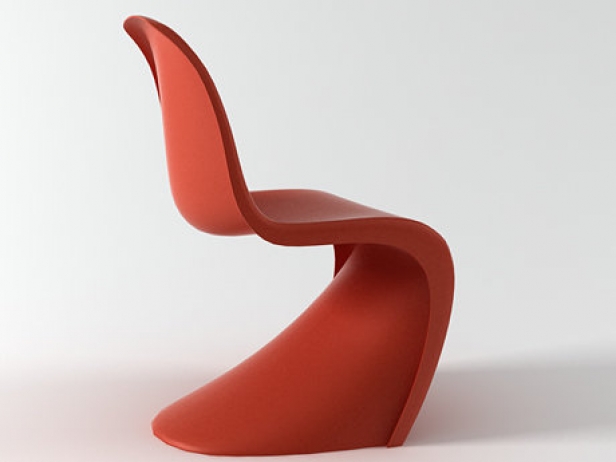
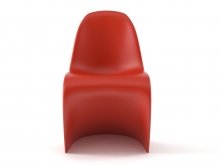
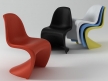
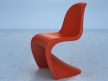
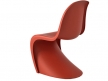
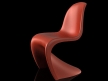
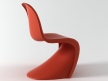
The Panton Chair is a furniture design classic. Verner Panton created it back in 1960, and with the assistance of Vitra developed a version ready for series production (1967). It was the very first fully plastic chair made from a single section. Since its market launch, the Panton Chair has undergone several production phases. Not until today was it possible to produce it in line with Panton's original idea - namely from consistently dyed, tough plastic with a matte surface. The last version of the chair authorised by Verner Panton was produced in collaboration with the designer at the end of the 1990s.
The Panton Chair has won various design prizes world wide and graces the collections of numerous renowned museums. Its expressive shape makes it a true 20th-century design icon.
The chair offer: a great seating comfort thanks to the cantilever base, together with its shape - designed to do justice to the human body - and flexible materials. It can be used on its own or in groups, in rooms and even outdoors.
Year of design: 1960s